Source Hydrocollagen Cooling Eye Mask for Puffiness Wrinkles
Compare 30 hydrocollagen cooling eye mask options from verified suppliers. These products target dark circles, puffiness, and fine lines with moisturizing gel formulas suitable for all skin types. Many listings feature OEM services and certifications like CE and FDA for global trade compliance.
Key considerations
Products List




Comprehensive Sourcing Guide
Hydrocollagen Cooling Eye Mask Sourcing Guide
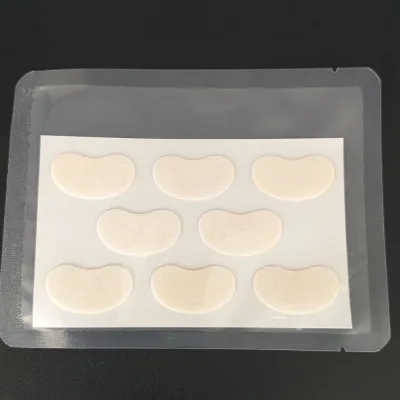
Buyers evaluating hydrocollagen cooling eye masks must first distinguish between sheet-based formats and gel-based variants, as the supplied data indicates a mix of both forms in the current market. While some listings describe a sheet mask form, others explicitly identify the material as cool gel or jelly glue, which fundamentally alters the application method and cooling duration. Procurement teams should verify the physical form factor early to ensure alignment with their specific retail positioning, whether targeting a quick sheet application or a longer-wear hydrogel treatment.
The functional scope for these products centers heavily on moisturizing, anti-puffiness, and dark circle reduction, with active ingredients like hyaluronic acid and vitamin C frequently cited. Sourcing decisions should prioritize suppliers who can substantiate these specific efficacy claims through ingredient transparency rather than generic marketing terms. Buyers must confirm that the product is designed for all skin types and unisex use, as this broadens the potential market reach and reduces the need for multiple SKUs based on skin type segmentation.
Product Scope and Observed Listing Signals
Market observations reveal a significant variance in product naming and packaging, ranging from "Eye Patch" and "Eye Mask" to descriptions involving glass bottles or cartons, which suggests inconsistent categorization by suppliers. Procurement teams must carefully map these listing signals to the actual physical product to avoid receiving mismatched inventory, such as ordering a sheet mask but receiving a gel-based patch. The presence of customization options for size and packing indicates that many manufacturers are willing to adapt the product, but buyers must explicitly define these requirements before placing orders.
Price signals in the observed range of 0.07 to 7.5 USD reflect a wide spectrum of quality and packaging sophistication, likely correlating with the material composition and certification levels. Buyers should not assume that the lowest price point offers the same cooling performance or ingredient concentration as higher-priced listings, as the material composition varies between standard gel and specialized jelly glue formulations. It is critical to request physical samples to validate that the observed price point corresponds to the expected cooling sensation and texture before committing to bulk procurement.
Technical Specifications to Verify
The material composition is a primary technical differentiator, with listings citing cool gel, jelly glue, and silicone-free formulations that directly impact the cooling effect and skin feel. Buyers must verify the exact material type to ensure it meets the desired hydrocollagen profile, as some products may rely on standard gel bases while others utilize advanced cooling agents. Confirming the net weight, which ranges from 6g to 14g in observed listings, is essential for determining the dosage of active ingredients and the overall value proposition of the unit.
Model numbers and size specifications vary significantly, with identifiers like HG-GEL02 and SY appearing alongside custom size options and standard regular sizes. Procurement teams should establish a clear specification sheet that defines the exact model number, size type, and packaging dimensions to prevent manufacturing errors. Additionally, the distinction between disposable and non-disposable forms must be clarified, as this affects the user experience and the environmental impact of the product, requiring precise alignment with the buyer's sustainability goals.
Compliance and Safety Documentation
Certification requirements for eye care products are stringent, with observed listings frequently citing CE, FDA, GMP, and MSDS documentation as standard compliance markers. Buyers must verify that these certifications are current and applicable to the specific manufacturing facility and product batch, rather than accepting generic claims. The presence of these certifications suggests a baseline of safety, but procurement teams should request copies of the actual certificates to ensure they cover the specific product formulation and intended market of entry.
Ingredient safety is paramount, particularly given the proximity of the product to the sensitive eye area, and listings often highlight silicone-free formulations and specific active ingredients like hyaluronic acid. Buyers should demand a full ingredient declaration and safety data sheets to confirm that no prohibited substances are present and that the concentration of active ingredients is within safe limits. While ISO22716 is a trusted industry standard for cosmetics, its specific application to this product line should be confirmed through direct supplier communication rather than assumed based on general category knowledge.
Cost Drivers and Commercial Terms
Minimum Order Quantities (MOQ) present a significant barrier to entry, with observed ranges spanning from 200 to 30,000 units, heavily influencing the initial capital outlay for new buyers. Smaller MOQs around 1,000 pieces may be available for standard models, but customizations in size, packaging, or private labeling often trigger higher volume requirements. Buyers must negotiate these terms carefully to balance inventory risk with the need for sufficient stock to meet market demand, ensuring that the MOQ aligns with their sales projections.
Packaging and customization options serve as major cost drivers, with listings showing variations from simple boxes to glass bottles and custom carton designs. The availability of OEM and ODM services allows for brand differentiation but typically incurs additional tooling and setup costs that must be factored into the total landed cost. Procurement teams should request a detailed breakdown of costs associated with customization, including any fees for mold creation or label design, to ensure accurate budgeting and avoid unexpected expenses during the production phase.
Supplier Qualification and Quality Control
Supplier qualification should focus on verifying the place of origin, with Hebei, China, being a noted production hub for these specific eye mask products. Buyers must assess the manufacturing capabilities of suppliers in this region to ensure they can consistently deliver the required quality and adhere to the specified production standards. It is advisable to conduct on-site audits or request third-party inspection reports to validate the supplier's ability to maintain the high-quality standards claimed in their product descriptions.
Quality control processes must be robust, given the sensitive nature of eye care products and the potential for variation in gel consistency and cooling performance. Buyers should implement a rigorous inspection protocol that includes testing for material integrity, ingredient concentration, and packaging seal quality before shipment. Establishing clear acceptance criteria for defects and ensuring the supplier has a documented process for handling non-conforming products is essential to maintain brand reputation and customer satisfaction.
Long-Term Procurement Checks
Sustainability and ingredient stability are critical long-term considerations, as the market increasingly demands eco-friendly packaging and stable formulations that do not degrade over time. Buyers should monitor the supplier's ability to maintain consistent ingredient quality, particularly for active components like vitamin C and hyaluronic acid, which can be sensitive to storage conditions. Regular re-evaluation of the supply chain ensures that the product remains compliant with evolving regulatory standards and consumer expectations regarding environmental impact.
Continuous performance monitoring is necessary to track the efficacy of the cooling eye masks in the field and to identify any emerging issues with customer satisfaction. Procurement teams should establish feedback loops with end-users to gather data on product performance, such as the duration of the cooling effect and the reduction of puffiness. This data-driven approach allows for proactive adjustments to the product formulation or packaging, ensuring the long-term viability and competitiveness of the hydrocollagen cooling eye mask in the marketplace.
FAQs
What are the main ingredients in these eye patches?
The primary active ingredients include Hyaluronic Acid and Vitamin C, which work together to provide deep hydration and nourishment for the delicate eye area. The base material is a Cool Gel or Jelly Glue sheet designed to adhere comfortably while delivering these beneficial components effectively to the skin.
Can these eye masks be customized for private label?
Yes, customization is available for private label branding, including OEM and ODM services. Buyers can request specific packaging options such as glass bottles or boxes, and the product size can be customized to meet specific requirements, allowing brands to tailor the presentation and specifications to their unique market needs.
What certifications do these eye mask products hold?
These products hold CE, FDA, GMP, and MSDS certifications, ensuring compliance with international safety and quality standards. These credentials verify that the manufacturing processes and materials meet rigorous regulatory requirements, providing assurance of product safety and quality for global distribution and consumer use in various international markets.
What is the minimum order quantity for these eye patches?
The minimum order quantity is typically 1000 pieces, though observed ranges can extend up to 30,000 units depending on the supplier. This MOQ allows for flexible bulk purchasing while ensuring production efficiency, making it suitable for both small boutique brands and larger distributors seeking consistent supply of high-quality eye care products.
What are the key benefits of using these eye masks?
These eye masks offer moisturizing, anti-puffiness, anti-wrinkle, and dark circle reduction benefits. Formulated with nourishing ingredients like Hyaluronic Acid, they help hydrate and rejuvenate the eye area, reducing signs of fatigue and aging while providing a cooling sensation that soothes the skin and improves overall eye contour appearance effectively.
Where are these eye masks manufactured?
These eye masks are manufactured in Hebei, China, utilizing professional high-quality standards. The production facility adheres to standard protocols and holds necessary certifications, ensuring consistent quality and reliability for international buyers seeking dependable sourcing from established manufacturing regions with experience in cosmetic and skincare product production.